
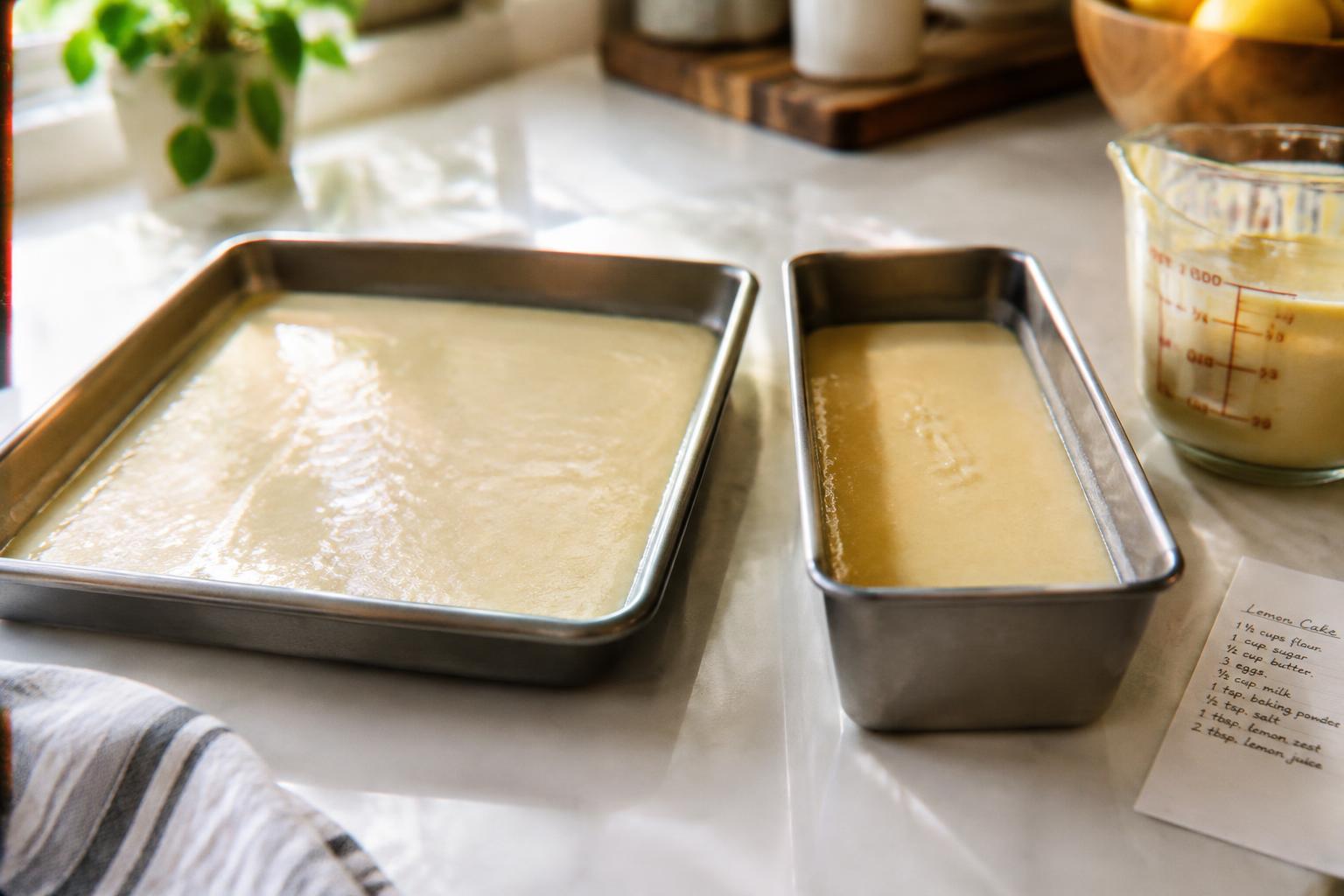
A pan’s width changes more than how much batter it holds: it also changes the food’s depth and exposure to heat. Before you adjust a recipe, compare the pan’s usable surface area with the recommended pan, then account for how a thinner or deeper layer affects cooking time. A wider pan spreads batter into a shallower layer.
Key Takeaways:
- Pan width changes the batter’s depth and exposed surface area, which affects baking time, browning, and moisture loss.
- Scale ingredients by comparing pan base areas: use the ratio of the new pan’s area to the recipe pan’s area, especially when the pans have different shapes.
- For stovetop recipes, a wider pan spreads food into a thinner layer and speeds evaporation; adjust heat and cooking time to preserve the recipe’s intended texture.
How Pan Width Changes Cooking
Pan width affects how heat reaches your food because it changes both the exposed surface and the depth of the mixture. A broad pan spreads the same batter or sauce into a thinner layer, while a narrow pan holds it deeper. That difference influences evaporation, browning, and the time needed for the center to cook. Surface area and ingredient depth work together, so two pans holding the same quantity can produce different textures and doneness.
Compare the recommended pan with yours
Start with the pan’s shape and usable cooking surface, not its rim-to-rim measurement alone. A sloped-sided skillet provides less flat area than a straight-sided pan with the same top width, while a wide baking dish gives batter more room to spread. Compare the actual interior dimensions and note whether the recommended pan is round, square, or rectangular. Shape changes usable area, which affects how much of the food sits directly above the pan’s base.
Understand how width affects depth and heat
With the same quantity of ingredients, a wider pan creates a shallower layer, exposing more surface to evaporation and often speeding browning. A narrower pan makes the layer deeper, so heat takes longer to reach the center and moisture escapes more slowly. For a cake, that can mean a browned top with an underdone middle if you rely on the original timing. Depth affects center doneness, especially in dense batters and thick sauces.
| Pan width | Ingredient depth | Likely cooking effect |
|---|---|---|
| Wider | Shallower | More exposed surface, faster evaporation and browning |
| Narrower | Deeper | Slower heat penetration to the center |
| Same quantity, different shape | Varies with usable base area | Cooking time and texture can change |
Factors to Check Before Adjusting
Before changing quantities or cooking conditions, identify what the recipe depends on: the pan’s geometry, how it conducts heat, and the structure of the food. Those details determine whether a width difference is a minor adjustment or a change that affects the result. Check the recipe’s stated pan dimensions and material, then match them against the pan you own. A glass casserole and a dark metal cake tin behave differently even when their interiors measure the same width.
Consider pan shape and material
Measure the inside cooking surface, since flared sides make a pan’s rim wider than its base. A round cake tin, rectangular roasting pan, and tube pan expose batter to heat in different ways, so matching width alone does not make them interchangeable. Material matters too: aluminum transfers heat readily, while glass heats more slowly and retains heat longer. A dark nonstick finish absorbs more heat than a shiny metal surface, which can brown the edges sooner.
Identify recipes sensitive to depth or timing
Recipes built around a particular thickness are most sensitive to a changed pan footprint. Sponge cakes, brownies, custards, and quick breads rely on a specific balance between the center setting and the edges, while shallow cookies spread across a broad sheet. Custards and delicate cakes are especially prone to uneven setting if the batter depth shifts. For stovetop dishes, the base area affects evaporation and contact with the burner, particularly in reductions and pan sauces.
- Check whether the recipe calls for a loose-bottom or springform pan.
- Note whether the pan is insulated or has a heavy-gauge base.
- Look for a water bath instruction in custard and cheesecake recipes.
How to Scale Ingredients for a Wider or Narrower Pan
Use the pan’s base dimensions to adjust the recipe’s total quantity, keeping the ingredient balance consistent rather than changing individual amounts by guesswork. For round pans, measure the inside diameter; for square or rectangular pans, measure the interior length and width. The resulting area ratio gives you a direct scaling factor for the recipe, with matching pan area as the basis for recalculating each ingredient.
Calculate and compare pan areas
For a round pan, calculate area as 3.14 multiplied by the radius squared; for a square or rectangular pan, multiply interior length by interior width. Then divide the new pan’s area by the recommended pan’s area to get the scaling factor. A 9-inch round pan has roughly 64 square inches of area, while an 8-inch round pan has roughly 50, so the smaller pan holds less batter at the same depth. Use interior measurements, not the pan’s outside rim.
Scale ingredients proportionally
Apply the area ratio to every ingredient so the recipe retains its proportions. If your new pan has three-quarters of the original area, multiply each ingredient by 0.75; 2 cups of flour become 1½ cups, and 1 cup of milk becomes ¾ cup. For eggs, beat them first, then weigh or measure the required fraction rather than rounding up. Scale all ingredients, including leaveners and salt, by the same factor.
| Pan shape | Area calculation | Scaling factor |
|---|---|---|
| Round | 3.14 × radius² | New area ÷ original area |
| Square | Interior length × width | New area ÷ original area |
| Rectangular | Interior length × width | New area ÷ original area |
Tips for Adjusting Fill Level and Bake Time
Pan dimensions affect how quickly heat reaches the center of your bake, so use the batter depth and visible doneness cues to guide adjustments. Keep the mixture within the pan’s safe capacity, leaving room for it to rise without spilling onto the oven floor. A flexible bake window matters because a shallow layer can finish sooner, while a deeper one may need more time. Protect the recipe’s texture by avoiding both overflow and an underbaked center.
Match batter depth to the original
Measure the batter depth in the recommended pan and aim for a similar depth in your replacement pan. A wider pan spreads the same volume into a thinner layer; a narrower one raises the level and leaves less space for expansion. Keep the pan no more than about two-thirds full for cakes and quick breads, unless the recipe specifies otherwise. Leave room to rise, and divide excess batter among muffin cups rather than filling the pan to its rim.
Start checking for doneness early
Begin testing before the recipe’s stated bake time when batter sits in a wider, shallower pan, since the center often sets sooner. Use the recipe’s doneness cues alongside a wooden skewer inserted near the center; moist crumbs are expected in some bakes, while wet batter signals that more time is needed. For a deeper layer, continue baking in short intervals and shield a darkening top with foil. Check the center without repeatedly leaving the oven door open.
- Set the pan on the oven’s center rack.
- Use an oven mitt when rotating a heavy pan.
- Keep the oven door closed between doneness checks.
How to Adapt Cooking for Stovetop Recipes
On the stovetop, a change in pan width alters both how much surface touches the burner and how quickly heat reaches the food. Match the pan’s base, not just its rim, to the burner: a wide skillet over a small flame can develop a hot center and cooler edges, while a narrow pot on a broad burner can overheat around its base. Burner coverage and controlled heat matter most when you brown, sauté, or simmer.
| Pan and burner setup | What you may notice | Practical adjustment |
|---|---|---|
| Wide pan, small burner | Uneven browning across the base | Stir or turn food more often |
| Narrow pan, broad burner | Hot sides or concentrated heat | Lower the flame and center the pan |
| Food crowded in a narrow pan | Steaming instead of browning | Cook in batches |
Keep ingredients in an even layer
Arrange vegetables, meat, or grains so they contact the pan in a reasonably even layer; a narrow pan often forces ingredients to pile up, trapping steam and slowing browning. Avoid overcrowding by cooking in batches when pieces stack or overlap heavily. In a wider skillet, spread food across the base, but keep it within the burner’s heated area so pieces at the edges do not remain pale while the center cooks.
Adjust heat and stir as needed
Set the flame to suit the pan’s base: a small burner under a wide skillet concentrates heat in the center, so turn or stir ingredients to prevent scorching there. With a narrow pan over a broad burner, reduce the flame until it stays beneath the base rather than climbing the sides. Watch for hot spots, especially when melting butter or simmering a thick sauce, and stir more frequently if the center bubbles before the edges.
To wrap up
Match the recipe to your pan’s cooking surface, not just its stated diameter: a wider pan spreads batter into a thinner layer, while a narrower one makes it deeper. Scale ingredients by comparing pan areas when the recipe quantity needs adjusting, then judge doneness by texture and a suitable test, such as a skewer for cake. For stovetop dishes, use the recipe’s visual cues for simmering and reduction, since a broader pan evaporates liquid faster than a narrow saucepan.
FAQ
How do I adjust a recipe when my pan is wider or narrower than the one recommended?
Compare the pans’ base areas, then adjust ingredient amounts if you need to keep the food at a similar depth. A wider pan spreads the same amount more thinly, while a narrower pan makes it deeper, so cooking time may also change.
Do I need to change every ingredient if my baking pan is a different size?
Not always; scaling ingredients by the ratio of the pans’ areas is a useful starting point for many baked dishes. It may not work well for recipes that rely on precise proportions or a particular pan shape, so follow recipe-specific guidance where available.
How full should I fill a cake pan to prevent overflow?
Leave room for batter to rise, and do not fill the pan to the rim. The right fill level depends on the recipe and pan, so follow the recipe’s guidance and use a pan with enough capacity when scaling up.
Will food cook faster in a wider pan?
It often will if the wider pan makes the food shallower, but the cooking time depends on the recipe, pan material, and oven or burner conditions. Begin checking for doneness earlier than the recipe suggests, then continue cooking as needed.
Can I use a different pan for a stovetop recipe without changing the ingredients?
Usually, if the pan can hold the ingredients in a reasonably even layer and the burner heats it adequately. A wider pan may expose more food to direct heat, so adjust the heat and stir as needed to prevent uneven cooking or scorching.