
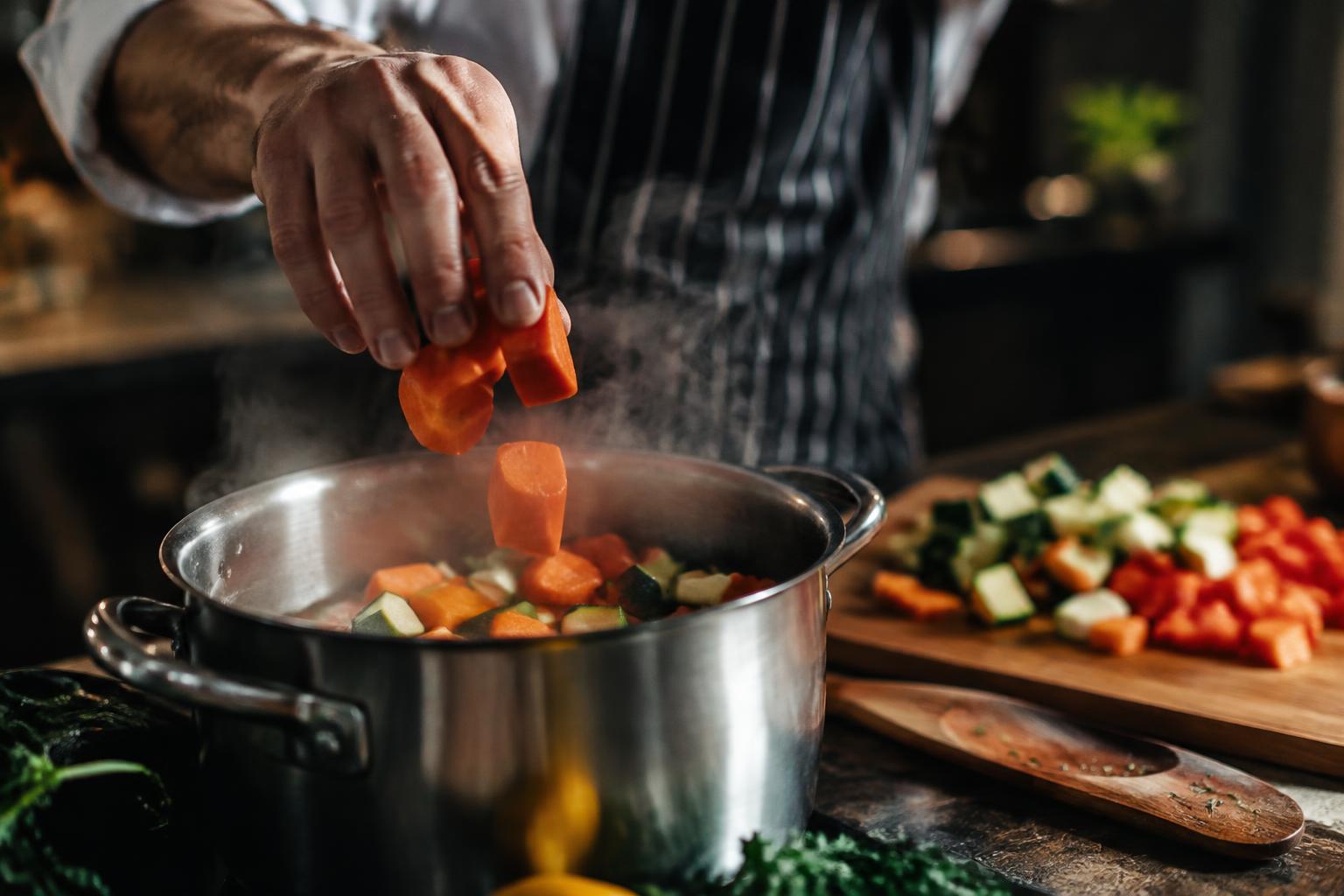
Mixed-size vegetables often leave you choosing between crisp carrots and mushy zucchini, especially on a crowded sheet pan. You can manage the difference by controlling piece size, heat, and timing rather than pulling every vegetable out at once. Smaller pieces cook faster, so a few minutes’ difference matters when broccoli florets share a pan with thick potato wedges.
Key Takeaways:
- Cut sturdy vegetables, such as carrots and potatoes, into smaller pieces than quick-cooking vegetables, such as zucchini and bell peppers, so their cooking times are closer.
- For a mixed-size batch, add larger or denser pieces to the pan first, then add smaller pieces later; on a sheet pan, group vegetables by size so you can remove each group when tender.
- Test doneness with a paring knife or fork at the thickest part of the largest piece. Remove vegetables as soon as the utensil slides in with slight resistance, rather than waiting for smaller pieces to soften further.
How to Cut Vegetables for More Even Cooking
Your knife work sets the pace before heat enters the equation: each piece’s thickness, width, and density affect how quickly its center softens. Aim for consistent dimensions within each vegetable, and separate pieces with noticeably different firmness rather than treating a mixed pile as uniform. A carrot round and a thin zucchini slice will not cook at the same rate, even if their diameters match; the carrot’s denser flesh takes longer to become tender.
Group vegetables by size and density
Sort cut vegetables into groups with similar thickness and firmness, especially when a recipe combines roots, stems, and tender produce. Dense carrots, potatoes, and beets belong together, while softer zucchini, mushrooms, and bell peppers form a different group. Density matters alongside size: a small potato cube can take longer to soften than a larger piece of zucchini. Keep each group distinct on your cutting board or in separate bowls, with leafy greens set apart from solid vegetables.
Cut pieces to cook at a similar rate
Uniformity means matching thickness and shape, not just making pieces look similar from above. Slice carrots into equal-thickness coins, or cut them lengthwise into batons of consistent width; halve small potatoes and quarter larger ones until their chunks are comparable. For irregular vegetables such as cauliflower, trim thick stems so they are closer in size to the florets. Trim thick sections rather than leaving a dense core attached to a small, delicate piece.
- Use a sharp chef’s knife for clean, controlled cuts.
- Stabilize round vegetables by trimming a flat side first.
- Keep cut pieces on a dry board to prevent slipping.
How to Choose a Cooking Method for Mixed Sizes
Your choice of cooking method affects how quickly each vegetable softens, so account for both its density and cut size. Dry heat browns surfaces before the centers soften, while moist heat transfers warmth efficiently and can soften small pieces quickly. For a mixed pan, piece size and texture matter as much as the vegetable itself. A thick carrot chunk responds differently from a thin zucchini slice, even at the same temperature.
Match the method to the vegetables
Roasting suits firm vegetables such as potatoes, carrots, and cauliflower, which benefit from sustained dry heat; tender zucchini and peppers soften sooner under the same conditions. Steaming cooks vegetables gently with moist heat, while a skillet exposes cut surfaces directly to the pan and can brown them rapidly. Choose a method that fits the firmest vegetable in the mix, then judge whether delicate pieces can withstand that method’s heat exposure.
Adjust heat for the size of the pieces
Higher heat browns small pieces quickly, but their centers can soften before larger chunks are tender. With a skillet, use moderate heat when cuts vary widely, since a cooler pan gives thick pieces more time to cook without scorching thin slices. For roasting, moderate oven heat reduces the risk of dark edges on small florets while dense pieces remain firm. A crowded pan also traps moisture, changing browning into steaming.
| Method | Heat transfer | Effect on mixed sizes |
|---|---|---|
| Roasting | Dry, surrounding heat | Small pieces brown sooner |
| Steaming | Moist, circulating heat | Small pieces soften quickly |
| Skillet cooking | Direct contact heat | Thin cuts brown rapidly |
How to Add Vegetables in Stages
Build the cooking sequence around how quickly each vegetable softens, rather than adding everything to the pan at once. Keep the batch moving in a clear order, and leave enough room for pieces to contact the hot surface or sit in the simmering liquid. With staggered additions, dense vegetables get a head start while delicate ones spend less time exposed to heat, such as carrots and zucchini sharing a skillet.
Start with the largest or densest pieces
Place the vegetables that need the longest cooking time into the pan or pot first. Thick chunks of potato, carrot, or winter squash take longer to heat through than thin slices of pepper, so give them an early start in the same oil, broth, or roasting pan. Keep the pieces in a single layer when using a sheet pan; crowded vegetables release steam and soften less evenly. Dense pieces go first, especially in mixed root-vegetable roasts.
Add smaller pieces later
Hold back thinly cut or tender vegetables until the denser pieces have begun cooking. Add sliced mushrooms, green beans, or zucchini later in the sequence, giving them only the time they need to become tender without turning limp. For a soup, stir quick-cooking vegetables into the pot near the end; for a skillet, clear a small space before adding them so they meet the hot pan. Shorter exposure protects texture in delicate pieces.
- Keep reserved vegetables separate in bowls.
- Arrange additions in the order you plan to use them.
- Use a wide pan to prevent piled-up pieces.
Tips for Checking Doneness Without Overcooking
Short, regular tests give you a better read on texture than relying on a single cooking time, since thickness and density vary even among pieces cut from the same vegetable. Use a fork or the tip of a paring knife, and test gently so you do not break tender pieces apart. Check the vegetables that cook fastest first, then test larger or denser pieces separately for tenderness at the center.
Test pieces of different sizes
Choose one small piece and one of the largest pieces of each vegetable, since the smallest often softens first while the thickest reveals whether the center is ready. Pierce each with a fork or paring knife; it should enter with slight resistance for a firm-tender result, or slide in easily if you want a softer texture. Test the thickest piece near its center, where a raw core is easiest to miss.
Remove vegetables as they finish
Lift each vegetable out as soon as it reaches your preferred texture, using tongs or a slotted spoon to leave the rest cooking. Transfer finished pieces to a plate rather than leaving them in hot water, broth, or on a hot pan, where residual heat continues to soften them. For roasted vegetables, move done pieces to a cooler part of the pan, away from the oven’s direct heat.
| Check | Tool | Doneness cue |
|---|---|---|
| Small piece | Fork | Softens quickly |
| Thickest piece | Paring knife | Center has slight resistance |
| Finished vegetables | Tongs or slotted spoon | Lift out promptly |
Factors That Affect Cooking Time
Cooking speed depends on more than a vegetable’s cut length. Heat moves through each piece according to its thickness and density, while surface water and steam change how quickly browning begins. The amount of food in the pan also affects how steadily the cooking surface stays hot. These factors matter when different pieces share one batch, because a dense chunk and a wet, thin slice respond differently to the same heat.
Consider thickness, density, and moisture
Thick pieces take longer for heat to reach their centers, and dense vegetables such as potatoes generally cook more slowly than tender zucchini. Surface moisture also affects browning: water released by mushrooms or rinsed greens can keep a pan steaming rather than searing. Thickness matters more than length, so a long, narrow carrot baton can cook faster than a short, thick coin. A damp cut surface further delays color until its water evaporates.
Account for pan size and crowding
Pan area determines how much food can contact the hot surface at once. When you crowd a skillet, vegetables release moisture into a confined space, the pan temperature drops, and pieces soften in steam instead of browning. Uncovered surface area also matters: a broad skillet lets moisture escape faster than a small saucepan holding the same quantity. Crowding affects both cooking pace and texture, especially with watery vegetables such as mushrooms.
- Cast-iron pans retain heat differently from thin stainless-steel skillets.
- A lid traps steam above vegetables rather than letting it escape.
- Frozen vegetables release meltwater as they warm.
Tips for Fixing Unevenly Cooked Vegetables
Once some pieces are tender and others remain firm, make a small adjustment rather than extending the cooking time for the whole batch. Use a slotted spoon or tongs to remove ready vegetables, then address the firm pieces with the heat and liquid already suited to the dish. Separate by doneness to protect delicate pieces such as zucchini while denser carrots finish cooking.
| What you notice | Adjustment | Useful detail |
|---|---|---|
| Some pieces are tender | Lift them out | Use tongs or a slotted spoon |
| Firm pieces remain | Cook them separately | Return them when tender |
| Vegetables are drying | Add a little liquid | Use water or broth |
Separate pieces that need more time
Lift the cooked pieces from the pan with tongs or a slotted spoon and place them on a warm plate while the firmer vegetables continue cooking. Keep similar pieces together, such as thick carrot rounds, so you can judge their tenderness without disturbing delicate spinach or zucchini. Remove tender vegetables promptly, and return them to the pan only briefly at the end if they need reheating.
Reduce heat or add a little moisture
Lower the burner when the outside of a dense piece is browning before its center softens. For a sauté, add a small splash of water or broth and cover the pan briefly to create steam; uncover it once the firm pieces yield to a fork. Use only a little liquid so vegetables do not become waterlogged, and keep the heat low enough to prevent scorching on the pan’s base.
Conclusion
Even cooking starts with consistent cuts: keep dense vegetables such as carrots in smaller pieces than tender zucchini, or separate them by type. Choose a method suited to the batch, then add vegetables in stages so each spends only as long as it needs in the pan, oven, or pot. Use a fork or paring knife to test the largest pieces, and remove tender vegetables as soon as they are done. A sheet pan with room between the pieces supports steady browning.
FAQ
How do I cook different-sized vegetable pieces evenly without overcooking the smaller ones?
Add larger or denser pieces to the pan first, then add smaller pieces as the larger ones begin to soften. The timing depends on the vegetable, piece thickness, and cooking method, so test pieces of different sizes and remove each when it is tender enough.
How long does it take to cook mixed-size vegetables evenly?
Mixed-size vegetables can take a few minutes to more than half an hour, depending on the vegetables, cut size, and cooking method. Start testing the thickest pieces early, since smaller pieces may finish first and should be removed to prevent them from becoming too soft.
Can I cook vegetables of different sizes together in the oven?
Yes, but cut pieces to similar thickness or place larger pieces on the tray first and add smaller ones later. Oven temperature, pan crowding, and vegetable moisture affect cooking time, so spread pieces in a single layer and check them individually.
Why are some vegetables still hard while others are mushy?
Pieces with different thicknesses or densities soften at different rates, especially when they are crowded in a pan. Cut pieces more consistently next time, or cook the denser pieces first and remove each vegetable as it reaches the texture you want.
Is it better to cook vegetables in batches when their sizes are very different?
Cooking in batches can help when the pieces vary widely in size or the pan is too crowded for them to cook evenly. If the pan has room, adding smaller pieces later is a practical alternative that avoids extra batches while protecting them from overcooking.