
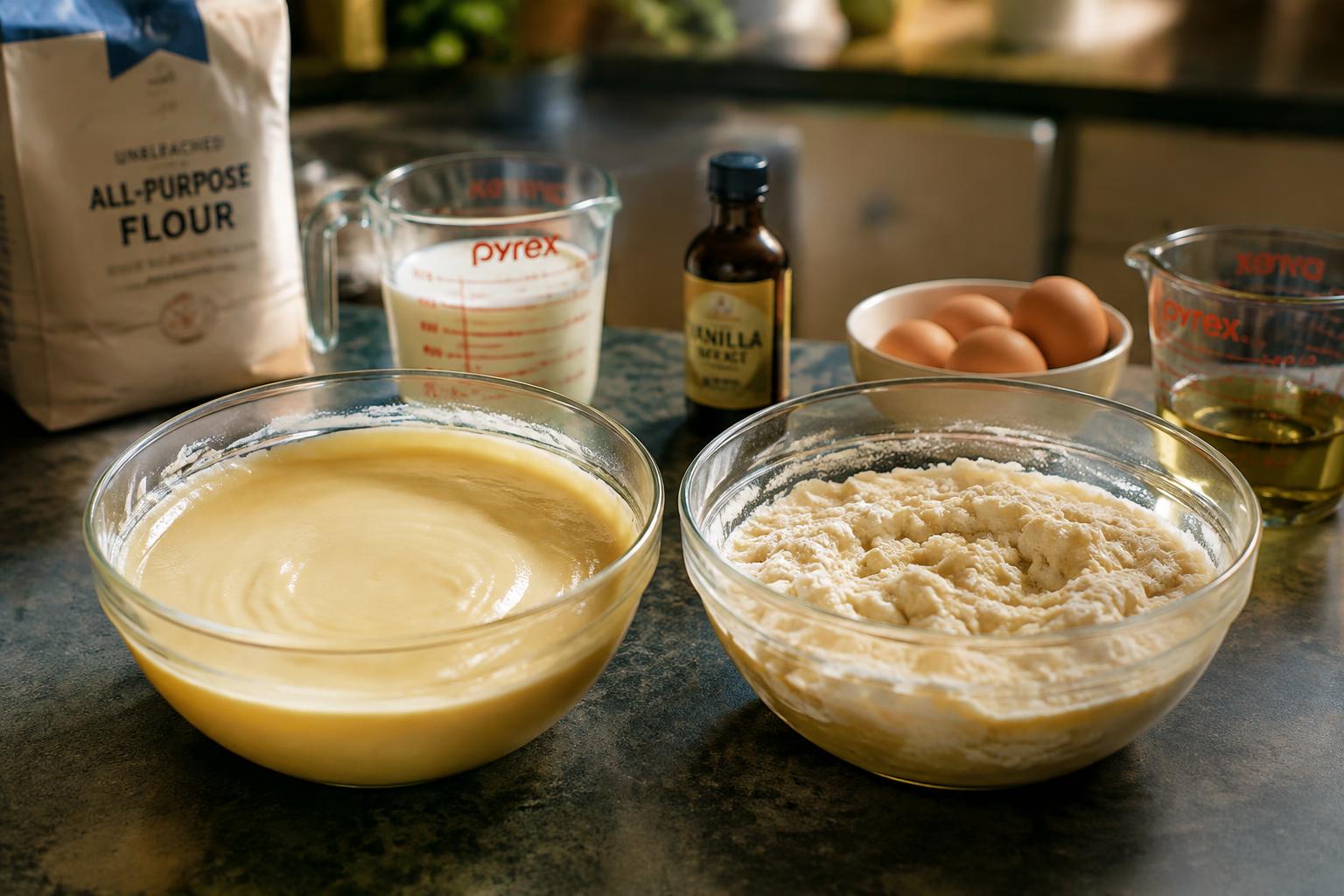
A smooth sauce can turn grainy, and tender vegetables can become limp, when ingredients meet heat in the wrong sequence. As you cook, timing affects how starches absorb liquid, how proteins set, and whether fats emulsify. Adding cold cream to a hot pan before tempering, for instance, can encourage curdling rather than a silky finish.
Key Takeaways:
- Ingredient order affects how evenly a mixture thickens, emulsifies, or sets. In a cake batter, creaming butter and sugar before adding eggs incorporates air, while adding flour too early can develop excess gluten and produce a tougher crumb.
- Some ingredients need direct contact with liquid or fat to disperse properly. Whisking cornstarch into cold liquid before heating prevents the dry clumps that form when starch is added straight to a hot sauce.
- Timing changes texture when ingredients release water, melt, or break down at different rates. Adding delicate vegetables near the end of a soup’s cooking keeps them firmer than simmering them from the start.
How Ingredient Order Affects Texture
Sequence determines which ingredients absorb liquid, coat particles, or form stable bonds before the mixture changes. If you add flour before sugar has dispersed through softened butter, the flour can absorb moisture unevenly and leave a dense crumb. Adding an emulsifier before oil enters a liquid phase gives it time to surround droplets rather than letting them pool. Your order of addition shapes hydration and binding at a molecular level, from the first contact between ingredients to the final consistency.
| Ingredient introduced first | Early interaction | Texture effect |
|---|---|---|
| Flour | Absorbs available liquid | Uneven hydration can create a dense texture |
| Sugar | Disperses through softened fat | Supports a more even crumb |
| Emulsifier | Coats dispersed droplets | Reduces separation between oil and liquid |
The roles of heat, moisture, and fat
Heat changes how quickly moisture moves and how fats soften, so the same sequence can produce different textures at different temperatures. Cold butter stays in distinct pieces, while softened butter spreads through sugar and holds air more readily. Water hydrates starches and proteins, but fat can limit that contact by coating flour particles. Moisture access therefore depends on what reaches each ingredient first, and whether butter is chilled, softened, or melted.
How early ingredients influence later ones
Ingredients added early set conditions for everything that follows. Salt dissolved in liquid spreads evenly, while salt added to a thick, dry mixture can remain concentrated in pockets. Likewise, flour introduced after fat has coated it takes up less water than flour mixed directly with liquid. Your sequence determines whether later additions disperse or clump, with coated flour particles behaving differently from uncoated ones in the same batter.
The Science Behind Common Texture Changes
Texture shifts as ingredients interact with heat, water, and one another at the microscopic level. Those interactions determine whether a sauce thickens smoothly, a custard curdles, or cooked meat turns tough. The same ingredient can behave differently as its surrounding conditions change: flour starch absorbs available liquid, while egg proteins tighten as they set. Recognizing these physical mechanisms explains why a dish’s texture can change sharply, rather than gradually, during cooking.
Starch hydration and thickening
When starch granules in flour, cornstarch, or rice meet water and heat, they absorb liquid, swell, and release starch molecules that thicken the surrounding mixture. This process, called gelatinization, depends on sufficient moisture and a suitable temperature. Sugar competes with starch for water, while fat can coat flour particles and slow their hydration. If granules clump before dispersing, the liquid around them thickens unevenly, leaving lumps in gravy or pastry cream.
Protein coagulation and curdling
Egg, dairy, and meat proteins unfold under heat, then bond into networks that give food structure. Gentle coagulation creates a tender custard, while intense or prolonged heating tightens those bonds and squeezes out moisture. In a cream sauce, excessive heat can also cause milk proteins to aggregate, producing grainy curds and watery separation. Acid, such as lemon juice or vinegar, encourages proteins to clump by changing their electrical charges, especially in heated dairy.
Emulsions, fats, and separation
Oil and water resist mixing because their molecules differ, so an emulsion relies on droplets of one liquid dispersing through the other. Egg yolk lecithin and mustard compounds act as emulsifiers, helping stabilize those droplets. Heat, excess oil, or inadequate mixing can overwhelm the thin films surrounding them, causing mayonnaise to break or butter to separate from a pan sauce. Once droplets merge into larger pools, the mixture loses its smooth, uniform texture.
- Starch granules thicken only after absorbing surrounding liquid.
- Protein networks contract as heating continues.
- Emulsifiers form a barrier around dispersed liquid droplets.
Ingredient Order in Everyday Cooking
In everyday cooking, sequence determines when ingredients meet heat, moisture, and one another. You get different results by adding aromatics to hot oil before tomatoes, whisking flour into fat before stock, or folding fruit into a finished batter rather than beating it in. The timing of each addition shapes how ingredients disperse and set, while the texture you serve reflects those choices in a glossy sauce, tender crumb, or softly set egg.
Sauces, soups, and stews
For a smooth pan sauce, you typically soften shallots in fat, then stir in flour before adding stock; the flour disperses through the fat and thickens the liquid without forming dry clumps. In tomato soup, adding acidic tomatoes before dried beans have softened can prolong their cooking. A stew’s browned meat and firm vegetables also benefit from early simmering, while tender herbs belong near the end. Add liquid gradually to a roux, whisking as you pour, to keep its texture even.
Batters, doughs, and baked goods
In cake batter, creaming softened butter with sugar first traps air, while adding eggs one at a time gives the mixture a chance to emulsify. Flour goes in after the wet ingredients, and mixing stops once the streaks disappear; prolonged mixing develops gluten and can make a tender cake tough. For biscuits, cold butter is cut into flour before liquid is added, leaving small fat pieces that create flaky layers. Order controls aeration as well as dough structure.
Eggs, dairy, and delicate ingredients
Eggs and dairy respond quickly to heat, so you usually temper them before adding them to hot soup or custard. Whisk a little hot liquid into beaten eggs first, then return the warmed mixture to the pot; this raises the eggs’ temperature gradually and reduces the risk of curdling. Stir grated cheese into a sauce after lowering the heat, since boiling can separate its fat and proteins. Gentle incorporation keeps custard smooth and cheese sauce cohesive.
| Dish | Ingredient sequence | Texture effect |
|---|---|---|
| Pan sauce | Shallots, flour, then stock | Smooth, even thickening |
| Tomato soup with beans | Soften beans before adding tomatoes | More reliable bean tenderness |
| Cake batter | Cream butter and sugar, add eggs, then flour | Airy crumb with less toughness |
| Custard or cheese sauce | Temper eggs or add cheese off the boil | Smoother, more cohesive finish |
Common Ordering Mistakes and Their Effects
Ingredient order affects texture through specific interactions: salt draws moisture from vegetables, flour absorbs liquid into lumps, and intense heat tightens delicate proteins. These changes show up as watery fillings, dense batters, or curdled sauces, even when you use the right ingredients. The effect depends on the recipe and the ingredients’ condition, but the underlying cause is often a mistimed addition. Recognizing the texture that follows each misplaced ingredient makes the problem easier to identify.
Adding acids or salt too early
Salt added to sliced cucumbers before they enter a salad draws water to their surfaces, leaving the pieces limp and pooling liquid in the bowl. Acid has a different effect on proteins: lemon juice or vinegar added too soon to milk or cream can cause curdling, while early contact with beans can slow softening in some cooking conditions. In a vinaigrette, salt that has not dissolved in the liquid phase can also leave a gritty sensation on the tongue.
Combining wet and dry ingredients incorrectly
Pouring all the liquid into flour at once creates pockets of dry powder surrounded by thick paste, so vigorous mixing is needed to break them apart and the batter becomes tough. In cake batter, adding eggs before the butter and sugar are properly creamed can leave the mixture split and uneven, producing a coarse crumb. Pancake batter shows another consequence: overmixing visible flour lumps out of the mixture develops gluten and yields chewy cakes rather than tender ones.
Overheating ingredients that need gentle treatment
Eggs stirred directly into a hot custard base can set into flecks before they disperse, giving the sauce a grainy texture instead of a smooth one. Adding cold cream to a rapidly boiling pan can also disrupt an emulsion, leaving oil droplets visible on the surface. Delicate fish proteins tighten under sustained high heat, turning flaky fillets firm and dry. These outcomes follow from excessive heat at the wrong stage, not from a lack of seasoning.
- Raw onion added late to a stew retains a sharper bite.
- Frozen peas added early lose their bright, springy texture.
- Starch mixed straight into hot liquid forms clumps.
How to Get the Sequence Right
Plan ingredient order around how each component responds to heat, moisture, and mixing. Before cooking, group ingredients by preparation time and mark the point when each should enter the pan, pot, or bowl. Keep temperature-sensitive items separate until the base is ready, and note whether a step calls for simmering, vigorous stirring, or gentle folding. A clear sequence prevents unnecessary handling, such as repeatedly mixing a batter after the flour has hydrated.
| Ingredient group | Preparation cue | Timing signal |
|---|---|---|
| Aromatics | Chop before heating | Add to warm oil |
| Starches | Measure and sift if needed | Add when the liquid is ready |
| Delicate herbs | Wash, dry, and chop | Stir in near the end |
Follow ingredient preparation and timing cues
Read the recipe once before you start, then prepare ingredients in the order the cooking steps require. Keep chopped aromatics, measured liquids, and dry mixtures in separate containers so you can add each promptly without pausing the heat. Watch for cues such as softened onions or a glossy sauce rather than relying only on a timer. Prep before heating reduces rushed additions, and it keeps garlic from burning while you search for the next ingredient.
Add delicate or temperature-sensitive ingredients later
Reserve ingredients that lose structure quickly until the mixture has reached the right temperature and consistency. Fold berries into batter after the flour is incorporated, or stir fresh herbs into a hot soup just before serving. For eggs, temper them by whisking in a little warm liquid before adding them to a hot base. Gentle late additions protect fragile pieces from breaking, while gradual warming reduces the risk of curdling.
Adjust sequence for the desired consistency
Choose the order that supports the texture you want, not just the order in which ingredients are listed. For a smooth sauce, add liquid gradually to a roux and whisk as it thickens; for a tender quick bread, combine wet and dry mixtures briefly, stopping when no dry pockets remain. Control the mixing once structure begins to form, since extra stirring can develop gluten and make the crumb firm rather than tender.
Final Words
Ingredient order shapes how proteins set, starches absorb liquid, and fats disperse, so the same recipe can produce a tender sauce or a grainy one depending on the sequence. When you add flour before fat is incorporated, for instance, uneven hydration can leave lumps; adding eggs gradually to creamed butter limits separation. Follow the recipe’s order, and pay attention to cues such as a glossy emulsion or a smooth batter, because each signals a specific stage of texture development.
FAQ
Why does adding ingredients in the wrong order change a dish’s texture?
Adding ingredients in the wrong order can change how they hydrate, thicken, bind, or emulsify, which affects texture. The result depends on the ingredients and cooking method, so the same sequence can be harmless in one dish but cause lumps, curdling, or separation in another.
Does ingredient order really matter when cooking, or is it just a recipe preference?
Ingredient order matters when the sequence affects how ingredients react to heat, moisture, or each other. It is less important when ingredients are simply being combined and cooked together, but recipes often specify an order to achieve a particular consistency.
What happens if I add flour to wet ingredients instead of mixing it with dry ingredients first?
Adding flour directly to liquid can create lumps because the outer layer of flour may wet before the rest disperses. Whisking flour into a small amount of liquid first or combining it with other dry ingredients can help, though the best method depends on the recipe.
When should I add milk, cream, or cheese to a hot dish to keep it smooth?
Add milk, cream, or cheese toward the end of cooking and heat gently to reduce the risk of curdling or separation. The right timing depends on the ingredient and recipe, since some sauces require dairy to be incorporated earlier for thickening or baking.
Can I fix a dish if I added ingredients in the wrong order?
Sometimes, but the fix depends on the texture problem and whether it is still developing. Whisking may smooth minor lumps, while gentle heat can help a separated sauce come back together; curdled proteins or overcooked ingredients may not return to their original texture.