
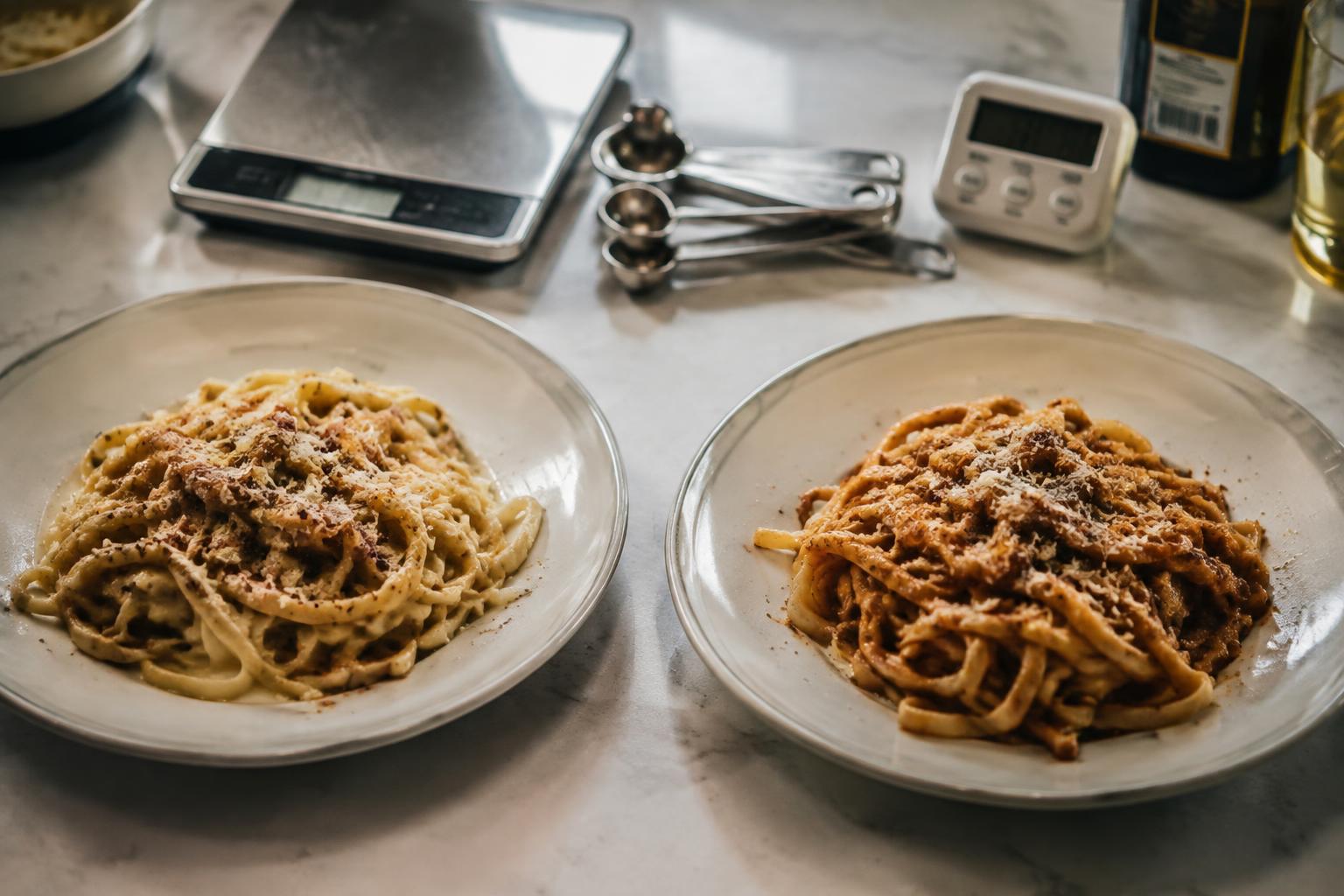
A familiar recipe can turn out bland one night and beautifully balanced the next, even when you follow the same steps. Small variations add up: flour packed into a measuring cup, a pan that heats unevenly, or salt added by eye can change texture and flavor. Your ingredients, equipment, and cooking conditions all shape what reaches the plate.
Key Takeaways:
- Small changes in ingredient temperature, moisture, measuring, and pan material alter cooking times and texture. A packed cup of flour weighs more than a loosely filled one, while a dark metal pan browns food faster than a light-colored pan.
- Consistent results come from controlling the variables you can: weigh ingredients, preheat the oven fully, use the pan size named in the recipe, and bring refrigerated ingredients to the specified temperature.
- Record adjustments alongside the recipe, including oven setting, bake time, ingredient substitutions, and visual cues such as a golden crust or a clean cake tester. Those notes make the next attempt easier to reproduce.
Factors That Make the Same Recipe Turn Out Differently
Small changes across your kitchen can shift browning, texture, and cooking time even when you follow the same written steps. Ingredients vary by season and storage, equipment transfers heat differently, and room conditions affect how dough or batter behaves. These influences often overlap: a cold egg in a cool kitchen, for instance, changes how readily a cake batter blends. Recognizing these everyday variables explains why a familiar dish can emerge with a different crumb or crust.
Ingredient freshness, size, temperature, and substitutions
Freshness affects flavor and function: older baking powder loses lifting strength, while stored flour can absorb moisture and weigh differently by volume. Ingredient size also matters; a large onion releases more water than a small one, and uneven potato pieces soften at different rates. Temperature changes behavior, too: softened butter creams with sugar differently from butter straight from the refrigerator. Substitutions alter moisture, acidity, or fat, so ingredient proportions shift when you replace buttermilk with milk or use a different flour.
Differences in ovens, pans, tools, and cooking conditions
Ovens differ in heat distribution, thermostat accuracy, and airflow, so a tray placed near a heating element can brown faster than one on the center rack. Dark metal pans absorb more heat than shiny aluminum, while glass retains heat and can keep cooking food after it leaves the oven. A thin knife, coarse grater, or crowded skillet changes cutting, surface area, and evaporation. Room humidity and altitude also affect dough hydration and boiling, creating noticeable differences in rise, browning, and tenderness.
- Opening the oven door briefly releases stored heat.
- A warped baking sheet can tilt batter or oil.
- Wet produce adds water to a hot pan.
How to Make Recipe Results More Consistent
Repeatable results come from controlling the steps you perform, not from changing several things at once. Keep your equipment, ingredient preparation, and cooking method consistent so each batch starts from the same conditions. A kitchen scale and an instant-read thermometer provide more reliable reference points than estimates alone, while a written record of key choices makes your routine easier to repeat. Focus on one controlled method for each stage, from mixing batter to heating a pan.
| Step | Consistent practice | Useful reference |
|---|---|---|
| Measure | Weigh ingredients | Kitchen scale |
| Prepare | Use the same cut size | Knife and cutting board |
| Cook | Watch visual and temperature cues | Instant-read thermometer |
Measure by weight and prepare ingredients consistently
Weigh flour, sugar, and other dry ingredients with a digital kitchen scale rather than scooping them into a measuring cup, since packing changes the amount. Tare the scale between additions, and use the same units each time. Prepare ingredients to a consistent size as well: evenly diced carrots soften at a similar rate, while pieces of mixed thickness do not. For baking, measure liquids in a level jug and keep ingredient temperature consistent, such as using softened butter each time.
Follow visual and temperature cues, not timing alone
Recipe times are useful estimates, but pan material, burner strength, and ingredient temperature affect how quickly food cooks. Look for specific cues, such as onions turning translucent or bread developing a browned crust, and confirm doneness with a thermometer where appropriate. A thick chicken breast, for example, cooks differently from a thin one even in the same skillet. Record the temperature and visual endpoint that worked, including a cake’s clean-skewer test or a sauce’s gentle simmer.
Tips for Adjusting and Troubleshooting
When a dish misses the mark, use a small, targeted change to test a likely cause rather than altering several ingredients or techniques at once. Start with the clearest clue, such as a sauce that tastes flat or a loaf that is dense, and connect it to a specific step. Focused adjustments make the next result easier to interpret, whether you are correcting seasoning in soup or investigating uneven browning in a pan of cookies.
Diagnose texture, flavor, and doneness problems
Texture, flavor, and doneness point to different causes, so identify the mismatch before changing the recipe. A tough chicken breast suggests overcooking, while a gummy cake points toward excess moisture or insufficient baking. Taste for salt and acidity separately: a pinch of salt will not fix a sauce that needs lemon juice. For meat, use an instant-read thermometer at the thickest point; for baked goods, inspect the center for a set crumb. Match the symptom to the step that produced it.
Change one variable at a time and record the result
Once you have a likely cause, adjust only that factor on the next attempt. If bread is dense, keep the flour and shaping unchanged while giving the dough more time to rise; changing yeast quantity at the same time would obscure the result. Write down the adjustment and its effect, including whether the crumb became lighter or the crust browned sooner. One change per test makes cause and effect clearer, especially when you note the oven setting beside the outcome.
- Let refrigerated ingredients lose their chill when the recipe calls for room-temperature butter or eggs.
- Use the pan size specified, since a wider pan changes a batter’s depth.
- Keep the oven door closed during the early rise of a soufflé.
Build a Repeatable Cooking Routine
Once a recipe works, record the conditions that produced the result and repeat them on the next attempt. A short kitchen log turns vague impressions into usable instructions: note how the dough felt, whether the pan browned evenly, and what the finished texture looked like. Keep the recipe version alongside those observations, so a change to the flour or oven setting does not get confused with the original method. A dated entry for each batch makes adjustments traceable.
Track ingredient brands, measurements, equipment, and timing
Write down ingredient brands when their composition can affect the dish, such as the protein level of bread flour or the fat content of cream. Use a scale for dry ingredients, and record weights rather than relying on cups, which pack differently. Note the pan material and size, burner setting, oven mode, and actual cooking time. Specific records let you repeat a successful batch, including the same 9-inch metal cake pan and cooling time.
Calibrate tools and standardize prep and storage
Check your oven with an oven thermometer, since its display can differ from the temperature near the food. Test a kitchen scale with a known calibration weight, and use the same measuring spoon set for small quantities. Standardize prep by cutting vegetables to consistent sizes and weighing ingredients before heating the pan. Repeatable storage matters too: keep flour sealed in a dry cupboard and refrigerate prepared ingredients in labeled containers until cooking begins.
| Routine detail | What to record or standardize | Concrete example |
|---|---|---|
| Ingredients | Brand, type, and measured amount | Flour brand and weight in grams |
| Equipment | Pan material, size, and tool settings | Metal cake pan, 9 inches across |
| Timing | Cooking duration and cooling time | Minutes in the oven, then on the rack |
| Preparation | Cut size and storage conditions | Even vegetable pieces in a labeled container |
Final Words
Consistent results come from controlling the details that change between cooking sessions, not from following recipe instructions alone. Weigh flour, use an oven thermometer, measure ingredient temperatures, and rely on visual and tactile cues alongside cooking times. Your kitchen, equipment, ingredients, and technique all affect the finished dish, so record adjustments that work. A brief note about a hotter oven or a longer rest gives you a practical reference the next time you make the same recipe.
FAQ
Why does the same recipe taste different every time I make it?
The same recipe can taste different because ingredients, equipment, measurements, and cooking conditions vary between attempts. The effect is often most noticeable with ingredient substitutions, produce that changes with the season, or ovens and pans that heat differently.
How can I make the same recipe turn out consistently without buying special equipment?
Use the same ingredients and preparation steps, measure carefully, and judge doneness by visual or temperature cues as well as cooking time. A kitchen scale can help, but consistent measuring cups and spoons are useful if you use them the same way each time.
Does weighing ingredients make recipes more reliable?
Weighing ingredients generally makes recipes more repeatable, especially in baking, because weight avoids differences in how ingredients are packed into a measuring cup. It will not eliminate variation from ingredient temperature, oven performance, or differences in how a recipe was written.
What should I change first if a recipe comes out too dry or undercooked?
First check whether the food was cooked to the intended doneness, then adjust one factor at a time, such as cooking time, temperature, or ingredient measurement. The right adjustment depends on the dish, so note what changed and avoid changing several things in the next attempt.
Is it worth keeping notes when I cook the same recipe again?
Yes, brief notes can help you reproduce a result by recording ingredient brands, measurements, equipment, and actual cooking time. They are most useful when something changes between attempts, but they cannot account for every difference in ingredients or cooking conditions.