
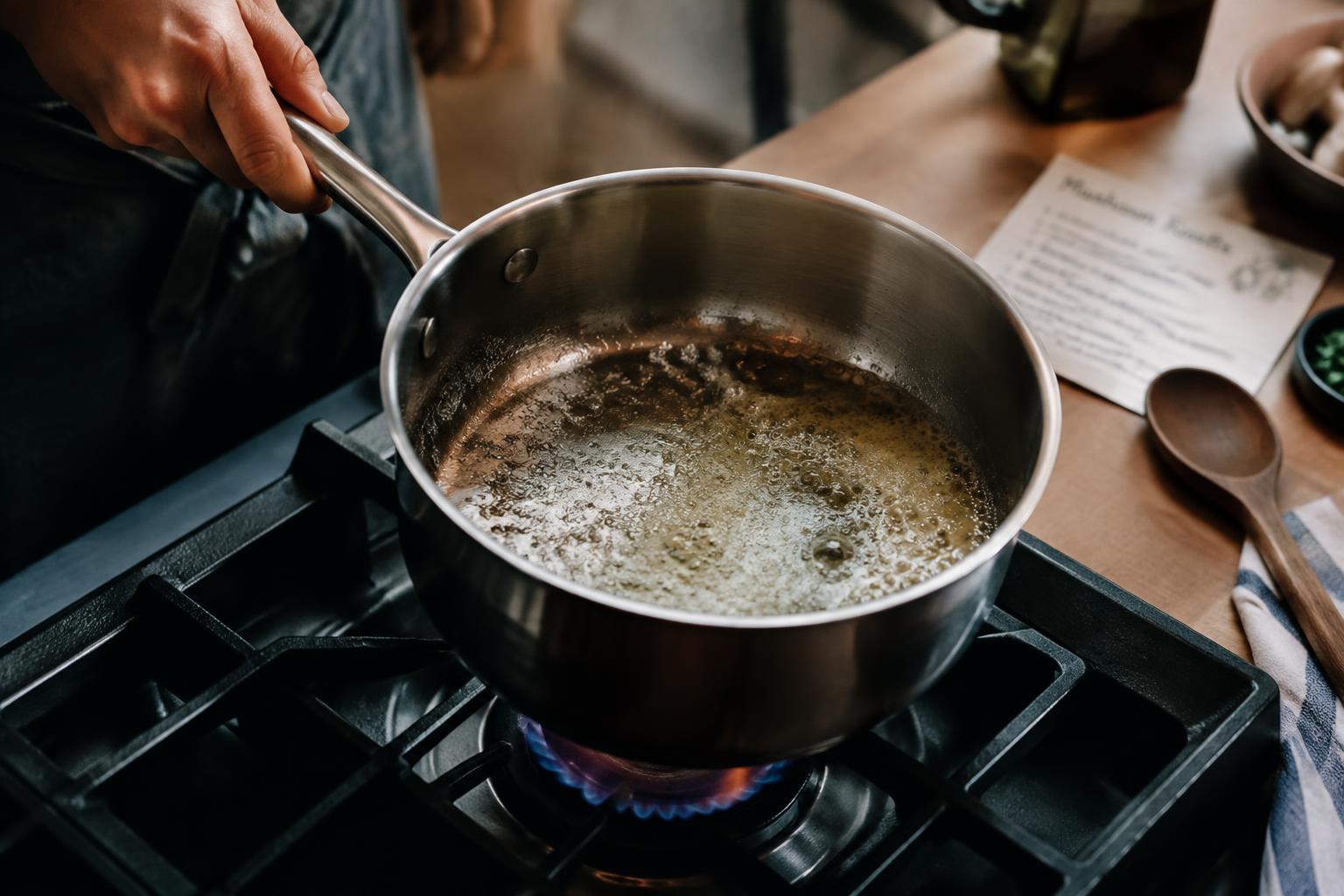
A pan that browns food on one side while leaving the other pale can throw off a familiar stovetop recipe. Your burner’s hot spots affect searing, simmering, and cooking time, but small changes in pan position and heat can keep results on track. Avoid cranking the flame to compensate, since overheating oil can cause a fire.
Key Takeaways:
- Map hot spots with a shallow pan of water: bubbles will appear first over the hottest part of the burner. Rotate the pan during cooking so food heats more evenly.
- Use a heavy-bottomed skillet or saucepan to spread heat, and preheat it over medium or medium-low rather than high. Thin pans respond quickly to hot spots and are more likely to scorch food.
- Adjust the recipe by watching the food, not relying only on its stated cooking time. Stir sauces and grains frequently, and lower the heat if ingredients brown or simmer vigorously on one side.
Identify How Your Burner Heats
Start by observing the burner with cookware centered over it, since flame shape, coil placement, and pan contact each affect where heat collects. Keep the same pan and burner setting during each test so your notes reflect the cooking surface rather than changing conditions. Mark the center, edge, and handle-side zones on a simple sketch, then record where water bubbles first or food colors fastest. Those locations form your burner’s heat map.
| Surface area | What to observe | What it indicates |
|---|---|---|
| Center | First bubbles or strongest browning | Central heat concentration |
| Outer edge | Delayed simmer or pale food | Lower heat near the rim |
| One side | Uneven bubbling or color | A directional hot spot |
Test the burner with a pan of water
Place a flat-bottomed pan over the burner and pour in enough water to cover the base. Set the flame or element to medium and watch where small bubbles appear first, then note whether they spread evenly or remain concentrated in one area. Avoid touching the pan or water during the test, as both can cause burns. A stable patch of early bubbling identifies a localized hot spot on the pan’s base.
Check for uneven browning and simmering
Cook a thin layer of food, such as sliced onions, in a pan that spans the burner, keeping the pieces spread across its surface. Watch for one area turning golden while nearby pieces remain pale, and note where a gentle simmer gathers or breaks into larger bubbles. Rotate the pan once to see whether the pattern follows the burner or the cookware. Record the browning zones and simmering areas on your sketch.
Adapt Heat and Timing
Match your burner setting to the recipe’s most heat-sensitive step, rather than relying on the dial position alone. For sauces, grains, and braises, steady heat matters more than speed; for searing, direct the food toward the burner’s hotter area only briefly. Use visual and sound cues, such as gentle bubbling or a steady sizzle, to judge the pan’s response, then adjust the flame or element before one side of the food overcooks.
Use lower heat and allow extra cooking time
Set the burner below the recipe’s stated level when one part of the pan consistently runs hotter, then extend cooking in short intervals. A gentler simmer gives liquid time to heat through without scorching at the hot spot, while vegetables soften more evenly as you stir. For eggs or custards, lower heat protects delicate proteins from setting too quickly; follow doneness cues such as a barely trembling center rather than relying only on the clock.
Rotate and reposition the pan while cooking
Turn the pan a quarter turn at regular intervals so each portion spends time over the burner’s hottest and coolest zones. For a long sauté, move the pan slightly across the grate or element as you stir, keeping its base stable and centered enough to avoid tipping. Use a dry oven mitt if the handle heats up, and reposition between stirring motions rather than while carrying a pan of hot oil or boiling liquid.
- Keep the burner flame beneath the pan’s base, not up its sides.
- Reduce the heat before lifting a pan to reposition it.
- Stir thick mixtures along the pan’s edges and across its center.
Choose and Prepare the Right Cookware
Your pan affects how burner hot spots reach the food, so choose cookware with a broad, stable base and a material suited to the recipe. Stainless steel with an aluminum or copper core spreads heat more evenly than thin, uncoated steel, while cast iron retains heat once warmed. Before cooking, make sure the pan sits flat and its base is clean; grease or warped metal can create contact gaps that concentrate heat.
Match pan size to the burner
Choose a pan whose base closely matches the burner’s heating area. A base that extends far beyond a small burner warms slowly at the edges, while a narrow pan over a wide flame can develop an overheated center. On a gas stove, keep flames beneath the pan rather than curling up its sides, where they can scorch handles or food. A skillet with a base near the burner’s diameter provides more consistent contact.
Consider heavy-bottomed and flat pans
Look for a thick, level base, such as clad stainless steel or a well-maintained cast-iron skillet. Added thickness buffers brief hot spots and distributes energy across more of the cooking surface; a thin pan responds quickly to uneven flame and can scorch food over one section. Set the empty pan on a level counter to spot rocking or warping, then choose a different pan if the base does not sit flat.
| Cookware feature | What to choose | Why it matters |
|---|---|---|
| Base diameter | Close to burner size | Limits uneven heating at the center or edges |
| Construction | Clad stainless steel or cast iron | Spreads or retains heat better than thin steel |
| Base condition | Flat, stable, and clean | Maintains consistent contact with the burner |
Follow a How-To Method for Adapting Recipes
Translate each instruction into an observable action at the pan rather than relying on a burner’s numbered settings. A recipe’s sequence still gives you the framework: note when ingredients enter, what changes signal progress, and which steps require steady heat. Keep the listed ingredients and order intact, then adjust the flame or element to match the food’s response. Use the pan as your guide, with the recipe’s texture and sounds as practical cues.
Identify the recipe’s key temperature cues
Read for descriptions such as “gently simmer,” “sizzle,” or “until translucent,” since these cues tell you more than a setting like medium. Match a simmer to small, steady bubbles rather than a rolling boil, and look for onions turning soft and glossy without browning. For searing, listen for an immediate, distinct sizzle when food meets the pan. Track visible and audible changes, then use them to judge the burner’s effect on the dish.
Adjust heat, timing, and stirring in sequence
Start with the recipe’s stated heat, then lower or raise it in small steps as the food responds; avoid changing the setting, stirring pattern, and cooking time all at once. If one side of the pan runs hotter, rotate the pan or move ingredients through the warmer and cooler zones. Keep the recipe’s doneness cue as your endpoint, even if the clock differs. Change one variable at a time so each adjustment has a clear effect.
- Set a timer for the recipe’s first stated check point.
- Use a wooden spoon to scrape the pan’s base during sauces.
- Keep a lid nearby for steps that call for covered cooking.
Tips and Factors for Reliable Results
Ingredient size, moisture, and quantity all affect how quickly food cooks over an uneven flame. Cut dense vegetables into similarly sized pieces, and give wet ingredients room to release steam rather than trapping it beneath a pile. Keep the pan’s position consistent while cooking, since shifting it changes which ingredients sit over the burner’s hottest area. A steady cooking load makes the recipe’s timing more predictable, especially with sliced onions, diced potatoes, or browned ground meat.
| Factor | What to watch | Practical adjustment |
|---|---|---|
| Ingredient size | Uneven pieces cook at different speeds | Cut pieces to a similar size |
| Pan crowding | Food steams instead of browning | Cook in batches |
| Hot spots | Food browns faster in one area | Stir or rotate the pan |
| Recipe changes | Several adjustments obscure the cause | Change one factor at a time |
Avoid overcrowding the pan
When ingredients cover the skillet in a deep layer, released moisture collects and prevents direct contact with the hot surface. Cook mushrooms, meat, or chopped vegetables in batches if they do not fit in a loose single layer. Leave small gaps between pieces so steam can escape, and let each batch regain heat before adding the next. Visible space around the food supports browning, while a crowded pan often leaves ingredients pale and soft.
Stir more often when a recipe needs even cooking
Foods that cook quickly or scorch easily benefit from more frequent stirring across the pan’s hot and cool zones. Scrape the base with a wooden spoon when cooking oatmeal, risotto, sauces, or sautéed aromatics, and move ingredients away from the burner’s hottest patch. For larger pieces, turn them individually rather than stirring roughly, which can break them apart. Consistent movement distributes heat, while a browned patch forming in one spot signals that the food needs attention.
Make one adjustment at a time
Change only one variable between attempts, such as burner setting, pan position, or batch size. If you lower the flame and add extra liquid at once, you will not know which change prevented sticking or slowed browning. Keep the ingredient quantities and cut sizes steady while testing a different burner setting, then note the result in the recipe margin. A single change gives you a useful comparison, such as whether medium-low heat softens onions without darkening them.
Conclusion
Uneven burner heat calls for adjustments to temperature, timing, and cookware rather than a different recipe. Use a heavy-bottomed pan to spread heat, rotate it when one side cooks faster, and stir or turn food more often to prevent scorching. Judge doneness by texture and internal temperature, not by the recipe’s timing alone. With these changes, you can adapt a stovetop method while preserving the intended result, whether you are simmering sauce or searing vegetables.
FAQ
How do I adapt stovetop recipes when my burner heats unevenly?
Use a lower setting, rotate or reposition the pan, and follow the food’s temperature and texture cues rather than relying only on the recipe’s timing. Stir more often if the dish needs even cooking, and make one change at a time so you can judge what helps.
How long does it take to adjust a recipe for an uneven burner?
Most adjustments take only a little extra attention during cooking, but the added time depends on the recipe, pan, and burner. Allow food to cook until it reaches the recipe’s stated doneness cues, since lowering the heat can extend cooking time.
Can an uneven burner make food unsafe to eat?
Uneven heat can leave some parts undercooked while others are done, so check the whole dish for doneness before serving. This matters most for foods that need thorough cooking; use a food thermometer when the recipe or food safety guidance calls for one.
What is the best alternative if my burner has a strong hot spot?
A flat, heavy-bottomed pan that fits the burner can spread heat more evenly, while a different burner may provide steadier heat if one is available. Avoid using a pan that extends far beyond the heated area, since its outer portions may cook less evenly.
Is it worth buying new cookware for an uneven stovetop burner?
New cookware may help if your current pan is warped, thin, or much larger than the burner, but it cannot eliminate every burner hot spot. Try a flat, heavy-bottomed pan you already own first, and consider replacing cookware only if uneven results persist.